

WHAT ARE HIDDEN COSTS WHEN BUYING PROPERTY IN COLOMBIA?
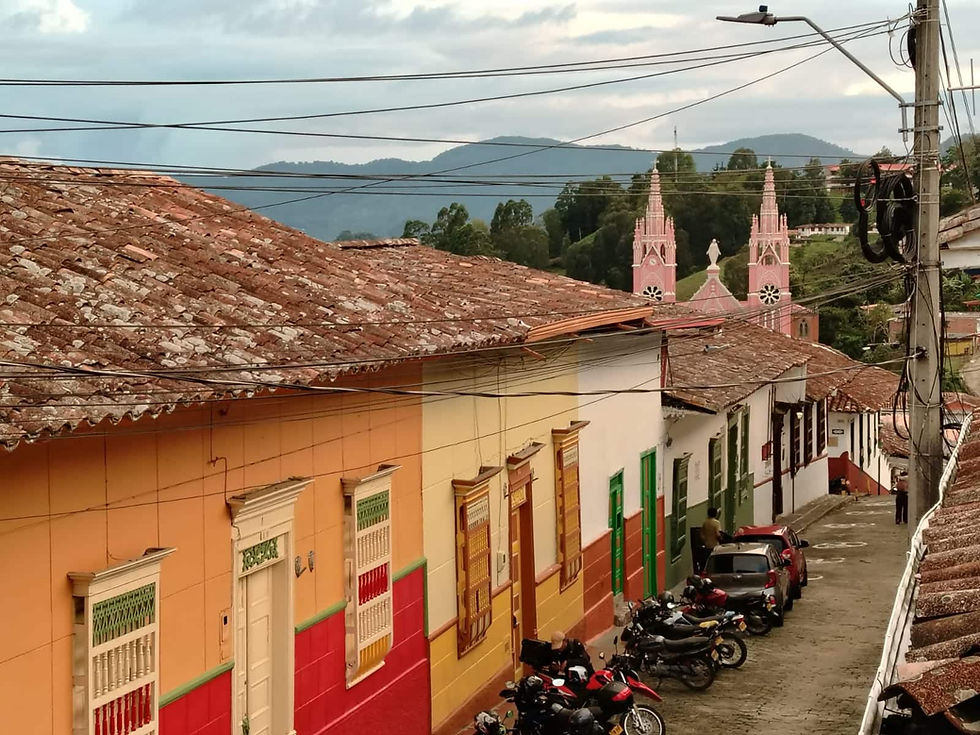
WHAT ARE HIDDEN COSTS WHEN BUYING PROPERTY IN COLOMBIA?
INTRODUCTION
Welcome to the dynamic and incredibly rewarding world of real estate in one of South America's most vibrant nations. As a marketing expert with years of experience navigating the beautiful and complex landscapes of our local real estate market, I have witnessed countless foreigners and local investors alike fall in love with our mountains, our coffee regions, and our bustling cities.
However, passion and excitement must always be balanced with strict financial planning and local expertise. Buying property here is an adventure, but it is also a legal and financial transaction governed by distinct civil codes, municipal regulations, and national tax frameworks. The allure of the market is undeniable, but to truly succeed, you must look beyond the sticker price.
Whether you are exploring a modern penthouse in the city or browsing for a quiet retreat, understanding the complete financial picture is crucial. Many investors make the critical mistake of assuming that the negotiated purchase price is the final amount they will need to transfer. This assumption can lead to significant budgetary shortfalls right at the closing table. In our market, transaction costs, taxes, legal fees, and ongoing maintenance requirements can add a substantial percentage to your total investment.
We have the hottest properties in Jerico, outsourced marketing services. If you want to explore further, you can visit us directly. Our website is https://www.jericocolombiarealestate.com where you can see exactly the caliber of opportunities available.
Furthermore, we have the hottest properties in Antioquia, new perspectives, experts skills, specialized teams and help businesses achieve greater returns.
Throughout this extensive guide, we will break down every single hidden expense, unforeseen tax, and administrative fee you might encounter. My goal is to ensure you are fully prepared, preventing any last minute surprises that could derail your dream investment. We will cover notary fees, registration taxes, legal due diligence, foreign exchange costs, and the ongoing fiscal responsibilities of being a property owner in this incredible country. WHAT ARE HIDDEN COSTS WHEN BUYING PROPERTY IN COLOMBIA?
THE APPEAL AND REALITY OF THE COLOMBIAN MARKET
Before diving into the numbers, it is essential to understand why so many international buyers are looking toward this nation. The biodiversity, the year round spring climates in certain regions, and the welcoming culture create an environment that is hard to match anywhere else in the world. Investors are constantly searching for InvestInColombia opportunities because the fundamentals remain strong. The cost of living is competitive, the infrastructure is modernizing rapidly, and the potential for capital appreciation is significant.
However, the reality of the transaction process requires a professional approach. If you are specifically looking for rural investments, such as FarmsForSaleInColombia, the due diligence required expands exponentially. Rural properties often have complex histories regarding borders, water rights, and historical land usage. A simple handshake or a casual verbal agreement is never enough. The legal system here is heavily bureaucratic and relies entirely on written, notarized, and officially registered documents. Therefore, when engaging in BuyingPropertyInColombia, the investor must be prepared to navigate a system where paperwork is king and every official stamp comes with an associated cost.
Many foreign buyers are drawn to the coffee region, specifically looking for ColombianCoffeeFarmsForSale. These properties offer a romantic and potentially profitable lifestyle, but they also introduce specific hidden costs related to agricultural compliance, soil maintenance, and local cooperative memberships. The dream of owning a piece of the coffee axis is highly attainable, but only if the financial strategy is comprehensively mapped out from day one.
UNDERSTANDING CLOSING COSTS: THE BASICS
Closing costs are the mandatory fees, taxes, and administrative charges required to legally transfer the title of a property from the seller to the buyer. In many North American and European markets, these costs might be bundled into a mortgage or handled entirely by a title company. Here, the process is distinct. Both the buyer and the seller have specific obligations, and these payments are made to multiple different entities, including the notary public, the departmental government, and the national registry office.
As a general rule of thumb, buyers should expect closing costs to add anywhere from two percent to six percent to the total purchase price. Why is there such a wide range? The final percentage depends heavily on the value of the property, the complexity of the legal work required, and the specific municipality where the transaction takes place. For standard residential purchases paid in cash without extensive legal hurdles, the costs might hover near the lower end. However, if you are acquiring high value commercial real estate or a sprawling estate, stamp taxes and complex corporate structures can push those costs significantly higher.
For those searching for ColombianLandForSale to develop from the ground up, closing costs might also include special land use permits and environmental surveys that are not required for pre built urban apartments. Every property type carries its own unique footprint of transactional expenses.
NOTARY FEES: THE UNAVOIDABLE EXPENSE
In this country, the Notary Public is not just someone who witnesses a signature. The Notary is a highly esteemed legal professional authorized by the government to formalize contracts, ensure the identity of the parties, and elevate private agreements into public deeds. You cannot legally buy or sell real estate without passing through a Notary office.
The fees paid to the Notary are standardized by national tariffs, meaning you cannot easily negotiate these rates down by shopping around at different offices. The base fee for the notarial rights is typically calculated at around zero point three percent of the declared value of the property on the public deed. To this amount, a nineteen percent value added tax is applied.
By customary practice, notary fees are split equally between the buyer and the seller. Therefore, as a buyer, you will be responsible for half of this total amount. While it might seem like a small percentage, on a multi million dollar estate, this fee becomes a significant line item in your budget. It is also important to note that any additional pages, copies, or supplementary declarations attached to the public deed will incur minor additional charges at the notary office.
REGISTRATION TAXES: SECURING YOUR DEED
Signing the public deed at the notary is only the first half of the closing process. A signed deed does not make you the legal owner until that deed is officially registered with the Office of Public Instruments and Registry. This step is where the largest portion of the buyer's closing costs is generated.
When you take your notarized deed to the registry office, you must pay the Impuesto de Registro, which is a registration tax. This tax is completely the responsibility of the buyer. The exact rate can vary slightly depending on the department, but it generally hovers around one percent of the property value. In some regions, there is an additional departmental tax often referred to as Beneficencia, which also scales with the value of the property.
If you are acquiring properties in our prime regions and typing JericoColombia into your search bar, you must account for the specific departmental taxes applicable in Antioquia. The local government assesses these taxes to fund regional development and infrastructure. Ensuring that these taxes are paid promptly is critical; failing to register the property within the legally mandated time frame after signing the deed will result in severe financial penalties and late fees.
STAMP TAXES AND HIGH VALUE PROPERTIES
Recent tax reforms have introduced additional layers of hidden costs for high net worth investors. Specifically, the Impuesto de Timbre, or stamp tax, has been re-implemented for real estate transactions that exceed certain high value thresholds.
As of recent regulations, properties valued above specific monetary limits measured in Tax Value Units will trigger this stamp tax. The tax is progressive, meaning it increases as the property value climbs into higher brackets. For luxury penthouses or extensive commercial agricultural lands, this stamp tax can add an unexpected one and a half to three percent on the amount that exceeds the threshold.
This progressive tax system specifically impacts the premium market. If your strategy involves searching for high end CoffeeFarmsForSaleColombia, you must work closely with your accountant and legal advisor to calculate the exact exposure to stamp duties. Structuring the purchase correctly is essential, as the tax authority is highly vigilant regarding the declared values on public deeds.
LEGAL FEES: WHY YOU CANNOT AFFORD TO SKIP DUE DILIGENCE
One of the most dangerous ways to try and save money during a property transaction is by skipping independent legal counsel. In this market, there is no standardized title insurance system that mirrors the protections found in the United States or Canada. Instead, protection comes entirely from thorough, proactive legal due diligence performed by a qualified real estate attorney.
Your attorney's primary job is to conduct a deep investigation into the property's history by obtaining and analyzing the Certificado de Tradicion y Libertad. This certificate is the official timeline of the property, detailing every past owner, mortgage, lien, embargo, or legal dispute associated with the real estate for the past twenty years or more. However, reading the certificate is a highly specialized skill. An expert attorney will cross reference this document with municipal tax records to ensure there are no unpaid property taxes, and with local planning offices to verify that all structures on the land were built with the proper permits.
Legal fees are generally not regulated by a national tariff and are subject to open market pricing. Depending on the complexity of the transaction, an experienced bilingual attorney might charge a flat fee or a percentage of the purchase price, usually ranging between one and two percent. While this is an additional upfront cost, it is the ultimate insurance policy against buying a property entangled in generational family disputes or hidden municipal debts. For those looking at a CoffeeFarmForSaleColombia, the legal check must also include verifications of rural land use restrictions, environmental protections, and water access rights, which requires even more specialized legal work.
FOREIGN EXCHANGE AND MONEY TRANSFER COSTS
For international investors, bringing capital into the country introduces a distinct set of hidden costs and regulatory requirements. The national currency is subject to exchange rate volatility, meaning the actual cost of your property in your home currency can shift between the time you sign the initial promise to purchase and the final closing day.
Furthermore, all foreign capital entering the country for investment purposes must be properly registered with the central bank. Failing to properly register these funds can lead to massive fines and make it incredibly difficult to legally repatriate your funds if you sell the property in the future. To manage this process, buyers often use specialized foreign exchange brokers or commercial banks, both of which charge intermediary fees and apply their own margins to the exchange rate.
Additionally, whenever money moves through the local banking system, it is subject to a financial transactions tax, commonly known as the four per thousand tax. This means that for every thousand pesos transferred out of a local account to pay the seller, the government takes four pesos. While four tenths of one percent sounds minimal, on a large property transaction, it translates into a substantial hidden cost that buyers frequently overlook when planning their cash flow.
ONGOING HIDDEN COSTS OF OWNERSHIP
The financial obligations do not stop once the keys are in your hand. Owning real estate brings a continuous stream of operational and tax expenses. First and foremost is the Impuesto Predial, the annual property tax levied by the local municipality. The rate is determined by the official cadastral value of the property, which is generally lower than the commercial market value, but municipalities are constantly updating these valuations.
If you are buying into an apartment building or a gated community, you must factor in the monthly administration fees. These Homeowner Association fees cover security, common area maintenance, and building insurance. However, the hidden trap lies in special assessments. It is common for older buildings to suddenly require major infrastructure repairs, such as elevator replacements or structural reinforcement, leading the owners assembly to vote for large, mandatory extra quotas that you must pay.
For foreign investors, there are also national tax implications. If your total assets in the country exceed certain high thresholds, you may become subject to an annual wealth tax. Furthermore, if you are buying the property as an investment to generate rental income, that income is subject to local income taxes. Non residents face a flat withholding tax on gross rental income, which can heavily impact your cash flow projections. Navigating these tax waters is exactly why investors looking for InvestInColombiaRealEstate must partner with expert local accountants.
RURAL VS URBAN: MAINTENANCE AND INFRASTRUCTURE
The differences in hidden costs between urban and rural properties are stark. A city apartment provides a predictable cost structure based around municipal services and fixed administration fees. Rural properties, however, operate in a completely different paradigm.
If your dream leads you to CoffeeFarmsInColombiaForSale, you must be prepared for the hidden costs of agricultural maintenance. Rural properties require constant upkeep of access roads, which can wash out during the heavy rainy seasons. You may need to invest in independent water filtration systems, backup generators, and specialized labor to maintain the grounds. Fencing, retaining walls, and pest control are non negotiable ongoing expenses.
Additionally, rural internet and utility connections are often more expensive to install and less reliable than their urban counterparts. Buyers searching for a beautiful FincaForSaleColombia often fall in love with the romantic isolation, only to be surprised by the high monthly costs of securing satellite internet, bringing in propane gas, and hiring a trustworthy full time caretaker to watch over the property when they are away. The caretaker's salary must include mandatory social security, health, and pension contributions, adding roughly fifty percent to their base salary in hidden labor costs.
STRUCTURING THE PURCHASE: CORPORATE VS INDIVIDUAL
Many sophisticated investors choose to purchase property not in their personal name, but through a local corporate entity, most commonly a Simplified Stock Corporation. This strategy offers benefits in terms of liability protection, estate planning, and potential tax efficiencies when dealing with rental income and future capital gains.
However, incorporating and maintaining a business entity introduces its own ecosystem of hidden costs. You will incur initial setup fees, notary costs for the corporate charter, and registration fees with the Chamber of Commerce. On an ongoing basis, the corporation must file monthly and annual tax returns, requiring the services of a certified local accountant. The corporation may also be subject to industry and commerce taxes at the municipal level. While this structure is often recommended for multi property portfolios or commercial investments, the administrative overhead must be carefully weighed against the benefits for a single residential purchase.
EXPERT ADVICE FOR A SMOOTH TRANSACTION
Navigating this complex landscape requires more than just capital; it requires a strategic mindset and an experienced team. As a professional operating in this dynamic sector, my highest recommendation is to assemble your advisory board before you even begin viewing properties. You need a bilingual real estate attorney, an international tax accountant, and a dedicated local market expert.
Do not allow the enthusiasm of a beautiful view or a charming colonial facade to override the necessity of strict due diligence. Always build a contingency fund of at least ten percent above the purchase price to absorb exchange rate fluctuations, legal complexities, and immediate post purchase maintenance. Real estate here is not a simple click and buy transaction; it is a relationship driven, legally intense process that rewards the patient, the prepared, and the well advised.
CONCLUSION
In summary, investing in this magnificent country offers extraordinary lifestyle and financial opportunities, provided you approach the market with your eyes wide open to the true costs involved. The advertised price of a property is merely the starting point of your financial commitment. By thoroughly preparing for notary tariffs, registration taxes, progressive stamp duties, essential legal fees, and the intricacies of foreign exchange regulations, you protect your capital and ensure a smooth transition of ownership. Remember that the hidden costs do not end at the closing table; ongoing property taxes, maintenance, and potential wealth taxes must be factored into your long term strategy. With expert guidance and a comprehensive understanding of the legal landscape, your journey into this real estate market can be both secure and highly rewarding.
FAQS
What is the average total percentage I should budget for closing costs as a buyer?
As a buyer, you should typically budget between two percent and six percent of the property's purchase price to cover your side of the closing costs. This range accounts for your share of the notary fees, the full registration taxes, potential stamp taxes for high value properties, and independent legal representation. If you are wiring funds internationally, you should also add a buffer for exchange rate variations and banking fees.
Do foreigners pay higher property taxes than local citizens?
No, the local tax laws do not discriminate based on nationality. The Impuesto Predial, or annual property tax, is calculated based strictly on the cadastral value of the property, regardless of who owns it. However, foreigners must be aware of national tax obligations, such as the wealth tax and income tax on rentals, which apply depending on their residency status and the total value of their assets in the country.
Is it absolutely mandatory to hire a real estate attorney?
While the law does not strictly demand that you use a private attorney to sign a deed, proceeding without one is universally considered a massive risk. Because there is no comprehensive title insurance system, your only protection against buying a property with hidden debts, false titles, or unresolved inheritance claims is the thorough legal due diligence performed by an independent attorney analyzing the property's certificate of tradition.
How does the foreign exchange process impact my final costs?
When you transfer foreign currency into the country to purchase real estate, the money must be legally registered as foreign investment with the central bank. The exchange rate you receive on the day the funds clear will dictate exactly how much local currency you have available for the purchase. Fluctuations in the exchange market, combined with intermediary bank fees and local financial transaction taxes, can significantly alter the final amount you pay compared to your initial budget in your home currency.
What are the hidden costs of owning rural property compared to a city apartment?
Urban apartments generally have predictable costs like fixed administration fees and municipal utilities. Rural properties require proactive, out of pocket maintenance. You must budget for road upkeep, water system maintenance, and landscaping. Additionally, securing a rural property often requires hiring a full time caretaker, whose salary must legally include significant social security, health, and pension benefits, which substantially increases your ongoing monthly overhead.
Can I avoid the source withholding tax as a buyer?
The source withholding tax is legally the responsibility of the seller and is calculated at one percent of the sale price if the seller is an individual. The buyer does not pay this tax directly to the government. However, the presence of this tax is often factored into the seller's initial asking price or becomes a point of negotiation during the offer phase. Your primary focus as a buyer should be managing the registration taxes and notary fees.
#RealEstate Jerico Antioquia


Comments