

How to Start Real Estate Investment in Colombia With Limited Budget
- Juan Valdez
- 9 minutes ago
- 8 min read
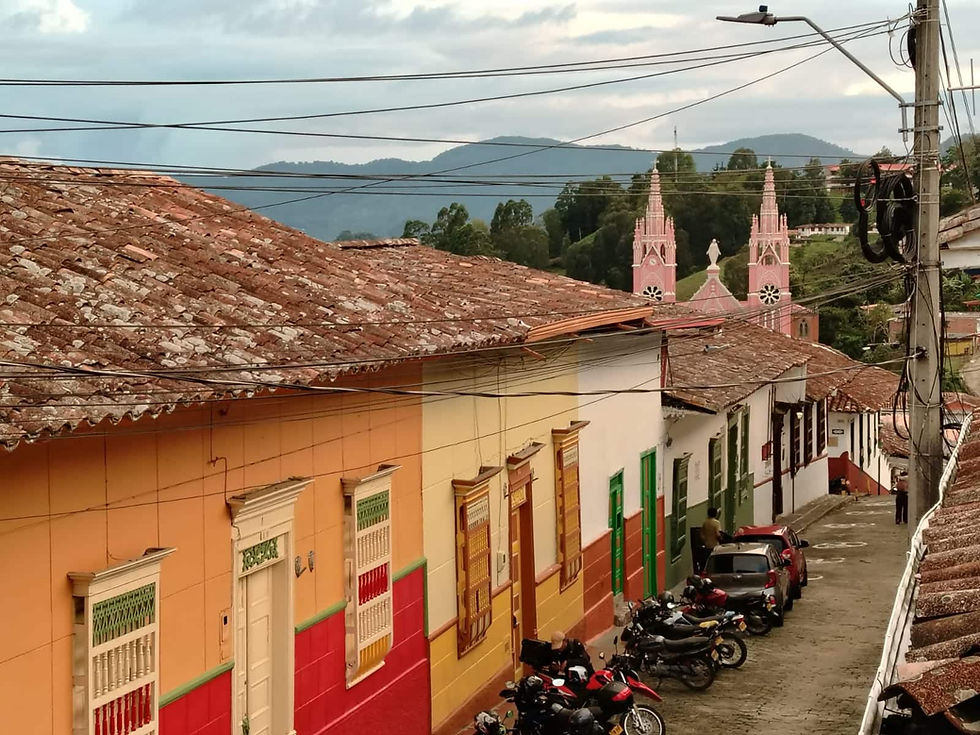
How to Start Real Estate Investment in Colombia With Limited Budget
The Colombian property market stands out as a highly dynamic environment for international and domestic investors. With equal legal rights granted to foreign purchasers and citizens alike, capital from around the world flows into urban apartments, colonial gems, and expanding agricultural regions. However, a common misconception persists that entering this market demands massive amounts of capital. The reality is that strategic entry points allow investors to establish a presence with a limited budget.
By shifting focus away from high-priced metropolitan areas and exploring innovative financing structures, alternative ownership models, and emerging rural zones, your investment can gain significant traction. Achieving success involves moving past generic advice to master the practical mechanics of low-capital acquisitions within the Colombian regulatory system. How to Start Real Estate Investment in Colombia With Limited Budget
Strategic Entry Paths for Limited Budgets
Investing with a limited budget requires substituting high leverage with creative positioning. Since traditional mortgage financing from local banks is difficult for non-resident foreigners to secure, budget-conscious buyers must rely on structures that lower upfront capital requirements while maintaining legal protections.
+-----------------------------------------------------------------------------------------+
|                      LOW-BUDGET INVESTMENT METHODS IN COLOMBIA                          |
+-----------------------------------------------------------------------------------------+
| Method 1: Off-Plan Developer Financing (Fiducia) | Low deposit, installments during build|
| Method 2: Tokenization & Fractional Platforms    | Micro-shares via digital fintech rails|
| Method 3: Emerging Rural Regions & Small Farms   | Lower cost per square meter, land growth|
| Method 4: Remodeling Segments (Flip / Sublet)    | Upgrading secondary urban structures  |
+-----------------------------------------------------------------------------------------+
Method 1: Off-Plan Purchasing Through the Fiducia System
One of the most secure and budget-friendly methods to acquire real estate in Colombia is purchasing off-plan properties, known locally as compras sobre planos, through a specialized trust structure called a fiducia. This framework protects your capital while allowing you to spread out payments over time.
When a developer launches a new residential project, they partner with a financial trust company regulated by the Superintendencia Financiera de Colombia. Instead of handing your money directly to the developer, your funds are held securely by the trust company. The developer cannot touch this capital until they reach a predefined sales milestone, known as the punto de equilibrio (equilibrium point), and secure all necessary building permits.
[Investor Installments] ---> [Regulated Trust (Fiducia)] ---> Meets Sales Milestone ---> [Funds Released to Developer]
For budget-conscious investors, this model provides two significant advantages:
Low Initial Capital: You can reserve a property with a down payment as low as 10% to 20% of the purchase price.
Interest-Free Installments: The remaining portion of the down payment, usually around 30%, is paid in monthly installments over the construction phase, which typically lasts between 18 to 36 months.
This long payment window allows you to fund the purchase using your regular monthly income, completely avoiding the need for a traditional bank loan during construction. Once the building is completed, you can either settle the remaining balance in cash or secure a local mortgage if you have established credit history in Colombia.
Method 2: Fractional Ownership and Real Estate Tokenization
Digital transformation and the rapid growth of PropTech platforms have introduced fractional ownership models to Colombia. This approach allows retail investors to purchase micro-shares of high-value commercial or residential properties for a fraction of the cost of a full unit.
Under a fractional ownership framework, a property management firm or a specialized fintech platform buys a premium asset, such as a short-term rental apartment in a popular tourist area or a retail commercial space. The asset is then placed into a simplified stock corporation, known as a Sociedad por Acciones Simplificada (S.A.S.), or into a real estate trust.
Investors buy shares or digital tokens representing a specific percentage of that entity, with entry points sometimes starting under 1,000 USD.
                      [ FRACTIONAL ASSET DISTRIBUTION ]
                                      |
          +---------------------------+---------------------------+
          |                           |                           |
          v                           v                           v
[Investor Share A: 5%]       [Investor Share B: 12%]     [Investor Share C: 3%]
Distribute Rental Yield      Distribute Rental Yield     Distribute Rental Yield
Track Equity Growth          Track Equity Growth         Track Equity Growth
The underlying platform handles all day-to-day operations, including tenant screening, ongoing maintenance, and tax filings. Net rental returns are distributed directly to investors proportionally based on their share ownership.
While this model reduces your control over the physical asset, it offers an excellent way to diversify a limited budget across multiple geographic markets within Colombia without the responsibilities of direct property management.
Method 3: Targeting Emerging Rural Land and Small Farms
Investors looking for direct title ownership on a budget often find the best value by looking beyond major cities toward rural agricultural land. While premium penthouses in metropolitan centers command high prices per square meter, land values in developing agricultural regions remain highly accessible.
This path requires focusing on regions where infrastructure is expanding, tourism is growing, or agricultural production is high. Investing in a rural plot or a small farm, known as a finca, allows you to purchase land at a much lower entry point.
                            [ RURAL DUE DILIGENCE STEPS ]
                                          |
          +-------------------------------+-------------------------------+
          |                               |                               |
          v                               v                           v
[Certificado de Libertad]       [POT Zoning Verification]       [Corantioquia Clearances]
Verify 30-Year History          Confirm Building Allowances     Validate Water Source Rights
Check for Hidden Liens          Review Agricultural Use Rights  Ensure Environment Compliance
When evaluating rural properties, you must conduct thorough due diligence. Always request a fresh Certificado de Tradicion y Libertad to verify that the title is clean and free of historical liens or unresolved family inheritance disputes (sucesiones).
Additionally, check the local Plan de Ordenamiento Territorial (POT) to understand the zoning laws, building allowances, and future infrastructure plans for the area.
For those interested in agricultural land, checking properties under ColombianCoffeeFarmsForSale can reveal highly productive land. It is vital to verify that the property has certified water access rights through regional environmental entities like Corantioquia, ensuring the land has a legal and reliable water supply.
Method 4: The Micro-Flips and Modern Subletting Strategy
For investors with a limited budget who want to stay close to urban centers, micro-flipping or corporate subletting provides an alternative path that avoids the high costs of buying premium, turnkey real estate.
The micro-flipping strategy involves finding older, distressed apartments in traditional middle-class neighborhoods (Estrato 3 or 4). These properties often sell at a significant discount because they require aesthetic upgrades.
With a modest budget allocated for targeted remodeling, such as modernizing the kitchen, updating the bathrooms, and applying fresh paint, you can quickly increase the property's market value. The asset can then be resold or rented out at a higher price point.
[Buy Distressed Unit] ---> [Targeted Remodeling] ---> [Increased Market Value] ---> [Premium Rental Income]
Alternatively, corporate subletting allows you to enter the rental market without owning the underlying real estate. Under this model, you sign a long-term lease for a well-located apartment, ensuring the contract includes an explicit clause that allows legal subletting.
You then furnish the space and market it as a co-living home for students or a workspace for remote professionals. The difference between your master lease cost and the total income generated from your sub-tenants becomes your monthly profit margin.
Essential Cost-Saving Steps for Budget Real Estate Investing
When operating with a limited budget, unexpected transaction costs can quickly drain your capital. Navigating the purchase process efficiently requires keeping a close eye on all secondary expenses.
Streamlining Foreign Exchange Procedures
All capital entering Colombia from abroad for real estate purchases must be routed through an authorized market intermediary and registered with the central bank using a Form 4 declaration.
Working with a specialized brokerage firm rather than a traditional retail bank can save you money, as brokerages often provide better exchange rates and lower international wire transfer fees.
Balancing Closing Costs and Notarial Fees
In Colombia, closing costs generally total between 3% and 4% of the property value stated on the public deed. By local custom, standard notary fees are split equally between the buyer and the seller.
As a budget investor, make sure your initial written offer clearly states that closing costs will follow this traditional 50-50 split, preventing you from absorbing extra transaction expenses at the closing table.
Unlocking Opportunities in Southwest Antioquia
Successful real estate investing on a limited budget requires moving past saturated markets and identifying regions positioned for steady, long-term growth. Southwest Antioquia has emerged as an excellent example of a region offering high value, where affordable land prices match up with expanding tourism and infrastructure development.
We focus on identifying unique property investments in the Southwest Antioquia region, with a special emphasis on the town of Jerico. We avoid high-volume, generic sales techniques. Instead, we provide clear, new perspectives, expert skills, and dedicated execution for international and local investors searching for high-quality real estate opportunities.
Supported by specialized teams in Colombian real estate law, agricultural land development, and foreign exchange compliance, we help businesses achieve greater returns by optimizing every step of the acquisition process.
Jerico stands out due to its well-preserved architectural heritage, rich coffee culture, and growing popularity among eco-tourists and remote workers. Through our localized property portal at jericocolombiarealestate.com, we give clients access to off-market rural plots, traditional country homes, and productive small farms that rarely appear on public networks.
Additionally, our outsourced marketing services provide investors with an established framework to manage and promote their properties globally right after closing. Partnering with our specialized teams ensures your investment is legally protected, runs efficiently, and is positioned for future appreciation.
Conclusion
Starting your real estate investment journey in Colombia with a limited budget is entirely achievable if you choose the right approach. Whether you utilize interest-free developer installments through the fiducia system, buy micro-shares via digital fractional platforms, or purchase affordable land in growing rural areas, the market offers several accessible entry points.
By conducting thorough title due diligence, managing transaction expenses carefully, and partnering with experienced regional experts, budget-conscious investors can safely establish and expand their real estate holdings in Colombia.
Frequently Asked Questions
Is it legal for foreign investors to buy real estate in Colombia without holding a resident visa?
Yes. The Colombian Constitution ensures equal civil rights for international buyers, giving them identical property ownership protections to those of native citizens under the principles of BuyingPropertyInColombia. You do not need a visa, a local corporate entity, or a Colombian partner to own property. A valid international passport is the only document required to purchase real estate and hold absolute, fee-simple title.
What is the purpose of a fiducia in Colombian real estate transactions?
A fiducia is a regulated bank trust system that holds and manages investor funds during the construction phase of an off-plan property project. The trust company ensures that your capital is protected and only released to the developer once specific building permits and sales milestones are met. This structure reduces investment risk and provides an institutional framework for making interest-free monthly installments.
Can a foreign citizen open a local bank account in Colombia to manage rental income?
Opening a traditional savings account at a local retail bank can be challenging for non-resident foreigners who do not hold a local ID card (cedula de extranjeria). However, investors can work with authorized brokerage firms or international banks operating in Colombia to open specialized investment accounts. These accounts allow you to receive rental income, pay local property taxes, and manage utility bills legally from abroad.
What are the main taxes and ongoing fees for property owners in Colombia?
Property owners are responsible for the annual municipal property tax (Impuesto Predial), which varies by municipality and property classification, typically ranging between 0.5% and 1.5% of the appraised value. If the property is located within a managed building or a gated community, you will also pay monthly homeowner association fees (administracion), which cover building insurance, security, and common area upkeep.
How does the estrato system impact property costs and utility bills in Colombia?
Colombia classifies residential neighborhoods into socio-economic strata numbered 1 through 6. Lower strata (1 to 3) receive government subsidies for basic utility services, while higher strata (5 and 6) pay premium rates to help fund those subsidies. When investing on a budget, targeting properties in stratum 3 or 4 often provides an ideal balance, offering comfortable living conditions and lower ongoing utility and property tax expenses.
What are the legal requirements for renting out a property as a short-term vacation rental?
To legally operate a short-term vacation rental for periods under 30 days, the property must be registered with the national tourism database, known as the Registro Nacional de Turismo (RNT). Registration is free and completed online through the Ministry of Commerce, Industry, and Tourism. Additionally, if the property is part of a condominium or residential building, the community’s co-ownership regulations (reglamento de propiedad horizontal) must explicitly permit short-term rental activity.
FarmsForSaleInColombia Colombia JericoColombia InvestInColombia ColombianCoffeeFarmsForSale ColombianLandForSale CoffeeFarmsForSaleColombia CoffeeFarmForSaleColombia CoffeeFarmsInColombiaForSale FincaForSaleColombia InvestInColombiaRealEstate BuyingPropertyInColombia #HomesForSaleInJericóColombia
#RealEstate Jerico Antioquia


Comments