

How to buy Colombian farms from the US
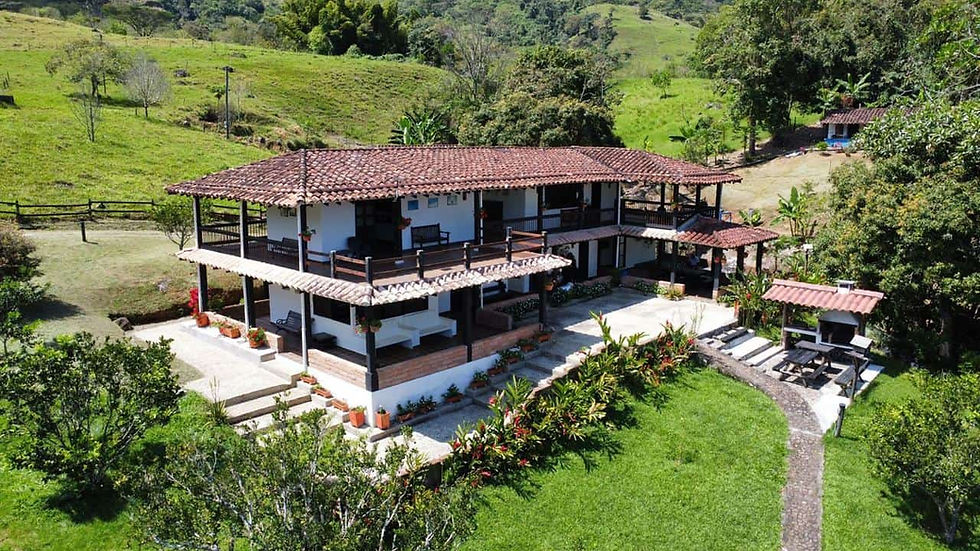
How to buy Colombian farms from the US
Acquiring real estate abroad stands as one of the most effective strategies for diversifying wealth, protecting capital against local market volatility, and building a tangible asset base in high-potential international markets. Over the past decade, Colombia has firmly established itself as one of Latin America's most compelling investment destinations for North American buyers. The combination of fertile soils, year-round microclimates, a deep-rooted agricultural heritage, and competitive acquisition costs creates an ideal environment for foreign capital in the country's rural sector.
However, navigating the purchase of a farm in Colombia while residing in the United States requires a clear operational framework. Success relies on understanding local legal requirements, foreign exchange regulations, rural title due diligence, and regional market dynamics within top-performing agricultural areas like Southwestern Antioquia.
This comprehensive guide outlines everything a US buyer needs to know to purchase rural land in Colombia safely, legally, and efficiently. How to buy Colombian farms from the US
Why US Investors Are Turning Their Attention to Colombia
The growing interest of foreign capital in Colombian farmland is driven by clear structural and economic fundamentals.
Land Valuation and Exchange Rates
The exchange rate between the US dollar and the Colombian peso grants North American buyers significant purchasing power. This exchange advantage allows investors to acquire high-grade agricultural land equipped with private water sources and paved access roads at a fraction of the cost of comparable properties in North America or Europe.
Hydrological Wealth and Natural Biodiversity
Unlike many global agricultural regions facing severe water scarcity or prolonged droughts, Colombia is an international hydrological power. The presence of natural water springs, mountain streams, and rivers within property boundaries ensures the long-term viability of coffee production and livestock projects while driving steady long-term appreciation.
Agricultural Growth and Sustainable Tourism
Rural tourism, specialty coffee cultivation, and boutique eco-lodging ventures are experiencing unprecedented demand. Buyers acquiring a farm today are not merely securing a static land asset; they are acquiring an operational platform capable of generating export revenues or hosting international travelers seeking authentic rural experiences.
Southwestern Antioquia and Jerico: The Crown Jewel
While Colombia features diverse rural regions, the department of Antioquia serves as the country's economic and organizational powerhouse. Within this department, Southwestern Antioquia—and specifically the heritage town of Jerico—represents the gold standard for rural land investment.
Jerico seamlessly blends preserved colonial architecture, rich cultural traditions, and breathtaking mountain geography. Farms in this district benefit from optimal elevations for growing specialty coffee, Hass avocado, and export-grade fruits. Additionally, the region's mountain scenery continues to attract buyers interested in sustainable eco-tourism and private retreats.
Working with specialized platforms like https://www.jericocolombiarealestate.com gives international buyers direct access to the most sought-after properties across the region. Dedicated teams operating directly within the territory bring fresh market perspectives, expert skills, and tailored marketing services to help property owners and investors achieve maximum returns.
The Legal Framework: Can Foreigners Own Land in Colombia?
A primary concern for US citizens and residents is whether nationality restrictions apply to real estate ownership.
Colombian law grants foreign nationals the exact same property rights as local citizens. You do not need a resident visa, dual citizenship, or a local partner to hold full legal title to a rural property.
However, executing a successful rural transaction requires thorough legal verification prior to making any financial commitments or signing contracts.
Legal Title Verification and Due Diligence for Rural Land
The due diligence process for rural land differs significantly from urban property transactions. A comprehensive review must address legal, cadastral, and environmental considerations:
1. Title Chain Search
This step involves auditing the property's Certificate of Tradition and Liberty (Certificado de Tradicion y Libertad), a public registry document issued by the Superintendency of Notaries and Registration. The title search should examine at least 20 to 30 years of history to confirm that:
The seller is the sole, legitimate owner with full authority to convey the title.
The property is clear of liens, mortgages, court orders, or claims.
No active restrictions exist, such as family domain limitations or unresolved conditional clauses.
The land is entirely free from land restitution claims or government forfeiture proceedings.
2. Cadastral and Boundary Reconciliation
In rural areas, discrepancies can occur between the recorded deed area and the physical acreage measured on the ground. Conducting an updated topographic survey is essential to reconcile physical property boundaries with official cadastral coordinates, preventing boundary disputes with neighboring owners.
3. Environmental Regulations and Water Concessions
For working farms or parcels containing natural water features, compliance with regional environmental authorities—such as CORANTIOQUIA in Antioquia—must be verified. Confirming that water usage, discharge permits, and stream concessions are fully up to date guarantees smooth operations for agricultural or residential development.
Financial Structuring: Transferring Funds Legal from the US
Transferring US dollars to Colombia to complete a real estate transaction must strictly follow Banco de la Republica (Colombia's central bank) exchange rules to protect the capital's legality and ensure seamless future capital repatriation.
Tax Identification (RUT)
To conduct formal financial operations in Colombia, foreign buyers must obtain a Tax Identification Number (RUT) from DIAN (the national tax agency). This document provides the tax registration required to execute public deeds and pay local property taxes.
Registering Foreign Direct Investment
All funds transferred from abroad for real estate acquisitions must pass through the formal foreign exchange market using authorized banking institutions. The receiving bank converts the currency to Colombian pesos and files the appropriate exchange declaration.
This formal process automatically registers the transaction as Foreign Direct Investment. Avoiding informal transfer channels ensures full regulatory compliance and protects your ability to repatriate capital upon a future sale.
Step-by-Step Purchasing Process from the United States
Buyers can complete a rural real estate transaction without physically traveling to Colombia by utilizing a properly structured Power of Attorney.
Step 1: Property Selection and Expert Consultation
Begin by partnering with experienced real estate professionals who maintain an active presence in your target location. Platforms like https://www.jericocolombiarealestate.com curate top listings in Antioquia, analyzing access roads, soil viability, and built infrastructure.
Step 2: Negotiation and Promesa de Compraventa
Once a property is selected and terms are agreed upon, both parties draft and execute a Promesa de Compraventa (Promise of Sale). This legally binding private contract outlines the purchase price, payment schedule, delivery date, performance penalties, and notary closing date.
Step 3: Executing a Power of Attorney (POA)
If you are unable to attend the closing in person, you can grant a Special Power of Attorney to a trusted representative or legal counsel in Colombia.
The POA document is drafted specifying the exact authority to purchase the designated property.
You sign the document before a US Notary Public.
The document is certified with an Apostille through the Secretary of State where the notarization occurred.
The physical document is dispatched to Colombia, translated into Spanish by an official certified translator, and registered at the notary.
Step 4: Closing, Deed Execution, and Registration
Your representative attends the designated notary office in Colombia to sign the Public Deed of Sale (Escritura Publica) alongside the seller. Following the payment of transfer taxes and notary fees, the deed is submitted to the Registry of Public Instruments (Oficina de Registro de Instrumentos Publicos). Once recorded, a new Certificate of Tradition and Liberty is issued, confirming you as the official owner.
Business and Yield Models for Colombian Farmland
Acquiring rural property in premier regions like Southwestern Antioquia offers multiple operational and economic pathways:
Specialty Coffee Estates
Global demand for origin-specific specialty coffee with high cupping scores continues to grow. Purchasing estates planted with high-yielding varieties—such as Castillo, Caturra, or Colombia—allows owners to plug directly into direct-trade export markets serving specialty roasters across North America and Europe.
Agri-Tourism and Boutique Hospitality
Eco-tourism and heritage travel have grown rapidly in towns like Jerico. Traditional haciendas can be restored into luxury country villas or boutique eco-hotels, offering coffee tours, birdwatching excursions, and mountain retreats.
Agricultural Logistics and Sub-Divisions
Sustained demand from international and domestic buyers creates opportunities for land sub-division or country-lot developments, always adhering to local municipal land-use plans (POT) to ensure environmental sustainability.
Tax and Operational Considerations
Maintaining a farm in Colombia involves manageable ongoing costs relative to North American standards:
Annual Property Tax (Impuesto Predial)
Municipalities assess annual property taxes based on the official cadastral valuation. In rural districts, cadastral values are typically lower than commercial market rates, resulting in modest annual tax obligations.
Farm Maintenance and Staffing
Farms with active crops or extensive grounds require local management, such as a farm manager (mayordomo) or agricultural workers. Agricultural employment in Colombia must adhere to labor regulations, covering standard wages, benefits, and social security. Partnering with professional management and outsourced marketing teams streamlines these operational responsibilities.
Best Practices to Avoid Common Pitfalls
To ensure a seamless acquisition, keep these strategic recommendations in mind:
Never wire earnest money or deposits without a formal Promise of Sale reviewed by independent legal counsel.
Verify physical property boundaries in person or through an updated survey in the presence of neighboring property owners.
Always process funds through official central bank exchange channels to maintain clear investment registration.
Confirm year-round road conditions and access infrastructure during both dry and rainy seasons.
Conclusion
Buying a farm in Colombia from the United States offers a compelling path to wealth preservation, tangible asset ownership, and entry into thriving agricultural and tourism markets. Southwestern Antioquia—anchored by the heritage town of Jerico—remains an unmatched setting for international buyers seeking exceptional land with long-term potential.
By applying a disciplined methodology that includes rigorous title due diligence, compliant central bank currency registration, and local expert support, buyers can complete transactions smoothly and securely. Aligning expert marketing skill, specialized teams, and local domain knowledge builds the ideal bridge for turning foreign capital into successful real estate assets in Colombia.
Frequently Asked Questions (FAQs)
Do I need to travel to Colombia to sign the property purchase documents?
No. You can complete the purchase remotely by granting a Special Power of Attorney to a representative in Colombia. The document is signed before a US Notary, apostilled by the Secretary of State, translated officially in Colombia, and presented at closing.
Can a foreign non-resident open a bank account in Colombia?
Yes. Local banks allow non-residents to open accounts, though compliance requirements are thorough. You will generally need a tax ID (RUT) issued by DIAN, a valid passport, and financial statements or US tax returns verifying the origin of funds.
How do I legally transfer purchase funds from the US to Colombia?
Funds must be sent via direct international wire transfer through authorized financial channels. Upon arrival, the bank completes a central bank exchange declaration for Foreign Direct Investment, officially registering your capital.
What closing costs and taxes should I expect when purchasing a farm?
At closing, buyers typically cover registration taxes, transfer fees, legal title review costs, and roughly half of the notary fees. Total closing costs for the buyer generally range between 1.5% and 2% of the registered transaction value.
Is buying farmland in Antioquia safe for foreign buyers?
Yes. Antioquia features strong institutional oversight, reliable road networks, and clear property registration systems. The Southwestern subregion enjoys strong social stability, an active agricultural economy, and a growing international community.
How do I confirm that a farm has clean water rights and environmental compliance?
Your legal counsel should verify that the farm holds current water concessions from the regional environmental authority (such as CORANTIOQUIA) and that the land is free from environmental protection overlaps or restrictions.
To explore active farm listings and land opportunities in Jerico and Antioquia, visit https://www.jericocolombiarealestate.com to connect with our specialized consulting team.


Comments