


How Do Currency Exchange Rates Affect Colombia Real Estate Purchases?
- Juan Valdez
- 1 hour ago
- 12 min read

How Do Currency Exchange Rates Affect Colombia Real Estate Purchases?
For years, I have worked alongside property owners, brokers, and marketing teams across Antioquia, helping international buyers understand what it really takes to purchase land, fincas, and coffee farms in Colombia. One question comes up in almost every conversation I have with a prospective buyer, whether they are calling from the United States, Canada, Europe, or elsewhere in Latin America: how does the exchange rate actually affect what I am buying?
It sounds like a simple question, but the answer touches almost every part of the purchasing process, from the initial browsing stage all the way through closing and beyond. If you are exploring Colombian land for sale, understanding currency movement is not optional. It is one of the single biggest factors that determines whether your purchase feels like a smart, well-timed decision or a costly missed opportunity.
This article walks through how currency exchange rates influence real estate purchases in Colombia, why the country has become such an attractive destination for buyers holding stronger foreign currencies, and what practical steps buyers can take to protect themselves from unnecessary risk. Whether you are looking at a working coffee farm near Jericó, a quiet rural property in the mountains, or an investment property in a growing town, the exchange rate story is central to your decision. How Do Currency Exchange Rates Affect Colombia Real Estate Purchases?
Understanding the Basics of Currency Exchange and Property Value
At its core, a currency exchange rate tells you how much of one currency you need to acquire a unit of another. When the Colombian peso weakens against the United States dollar, the euro, or other major currencies, foreign buyers effectively get more purchasing power for the same amount of money in their home currency. A property priced at a fixed number of Colombian pesos becomes cheaper in dollar or euro terms when the peso loses value, and more expensive when the peso strengthens.
This relationship matters enormously in a market like Colombia, where much real estate, particularly rural land, coffee farms, and fincas, is priced and negotiated in pesos, while a significant share of buyers are converting from dollars, euros, or other currencies. The exchange rate essentially acts as a second price tag layered on top of the property's local value. Two buyers looking at the exact same finca on two different days, weeks apart, could end up paying meaningfully different amounts in their home currency purely because of how the exchange rate shifted in between.
Why Colombia Has Become a Magnet for Foreign Property Buyers
Colombia's appeal as a real estate destination has grown steadily, and currency dynamics are part of the reason. Compared with property markets in North America or Western Europe, Colombian real estate, particularly agricultural land, coffee farms, and rural fincas, remains comparatively affordable. When you combine already reasonable local pricing with a favorable exchange rate, the value proposition becomes even more compelling for someone converting dollars or euros into pesos.
Beyond the numbers, buyers are drawn to Colombia's climate, biodiversity, culture, and the lifestyle that comes with owning land in regions like Antioquia. The coffee region in particular, with its rolling hills, temperate weather, and strong agricultural tradition, has become a favorite among people looking to diversify their holdings, generate agricultural income, or simply build a second home in a beautiful setting. Currency advantages amplify all of these draws. A buyer who might hesitate at a certain price point in their home market often finds that same investment far more approachable once they see what their currency converts to in pesos.
How the Peso to Dollar Relationship Shapes Purchasing Power
The relationship between the Colombian peso and the United States dollar has experienced meaningful swings over the years, influenced by oil prices, interest rate decisions from central banks, political developments, inflation, and broader global market sentiment. For a buyer holding dollars, these swings translate directly into changes in what a property actually costs.
Consider a scenario in general terms, without pointing to any specific case: if a coffee farm is listed at a certain price in Colombian pesos, and the peso weakens meaningfully against the dollar over the following months, a dollar-holding buyer could see the effective cost of that same farm drop substantially, even though the seller never adjusted the peso price at all. The opposite is also true. If the peso strengthens, that same farm becomes more expensive in dollar terms, even without any change to the underlying asking price.
This is precisely why buyers who are serious about purchasing property in Colombia benefit from paying attention to currency trends well before they are ready to sign anything. Watching the exchange rate is not about trying to perfectly time the market, which is difficult for anyone to do consistently. It is about understanding the environment you are buying into, recognizing favorable windows when they appear, and avoiding unnecessary surprises.
Timing Your Purchase Around Exchange Rate Movements
One of the most practical questions buyers ask is whether they should wait for a better exchange rate before committing to a purchase. There is no universal answer, because currency markets are influenced by so many moving parts, but there are a few principles worth keeping in mind.
First, exchange rates tend to move in cycles rather than in a straight line. A currency that has weakened for months can stabilize or reverse direction without much warning. Waiting indefinitely for the ideal rate can mean missing out on a specific property you love, since good land, especially well-positioned coffee farms and fincas, does not stay on the market forever in a popular area like Jericó.
Second, buyers should weigh currency timing against property-specific factors. A slightly less favorable exchange rate on an exceptional property, with strong soil quality, water access, road access, and location, may still represent a better overall decision than waiting for a marginally better rate on a property that does not meet your needs as well.
Third, some buyers choose to convert their funds in stages rather than all at once, spreading out their currency exposure over several transfers instead of converting a large lump sum on a single day. This approach will not guarantee the best possible rate, but it can reduce the risk of converting an entire budget at a particularly unfavorable moment.
The Direct Impact on Coffee Farms, Fincas, and Rural Land
Rural and agricultural property, including coffee farms for sale in Colombia, tends to be especially sensitive to currency movement because of how these properties are typically priced and who is buying them. Unlike urban condominiums, which often attract a broader mix of local and international buyers, working coffee farms and fincas frequently draw a higher proportion of foreign buyers seeking lifestyle change, agricultural income, or a long-term investment outside their home country.
Because a meaningful share of demand for these properties comes from abroad, currency swings can noticeably affect how competitive the market feels at any given time. When the peso is weak relative to major currencies, demand from foreign buyers often increases, since properties become comparatively more affordable to them. This can create more competition for well-positioned coffee farms in Colombia, particularly in sought-after zones with strong infrastructure, reliable water sources, and proximity to towns.
Conversely, when the peso strengthens, some foreign buyers pull back or take a more cautious, wait-and-see approach, which can soften demand and, in some cases, create better negotiating conditions for those still actively looking. Sellers of fincas and coffee farms need to be aware of this dynamic too, since pricing strategy and marketing timing can be influenced by where the exchange rate currently sits.
For buyers specifically interested in Colombian coffee farms for sale, this means the currency conversation is not a side detail. It is directly tied to how much competition you will face, how much negotiating room might exist, and how affordable a given property will feel once your funds are converted.
Financing, International Transfers, and Managing Currency Risk
Currency exchange rates do not only affect the headline price of a property. They also influence the mechanics of how buyers move money into Colombia to complete a purchase. International wire transfers, currency exchange services, and the timing of when funds are converted all carry their own considerations.
Buyers moving significant sums of money for a finca or coffee farm purchase should be thoughtful about how and when they convert currency. Using a reputable currency exchange provider rather than relying solely on a standard bank transfer can sometimes result in a more favorable effective rate, since banks frequently apply wider margins on currency conversion than specialized exchange services. Comparing a few options before moving a large amount of money is a reasonable step for almost any buyer.
It is also worth understanding that the rate quoted at the moment you decide to purchase is not necessarily the rate you will receive once the transfer clears, particularly if there are delays in documentation, due diligence, or closing timelines. Buyers should build in a reasonable buffer in their budget to account for the possibility that the rate shifts somewhat unfavorably between the time an offer is accepted and the time funds are actually transferred and converted.
Working with professionals who understand both the Colombian property market and the practicalities of international money movement can meaningfully reduce stress and risk during this stage of the process. This is one of the areas where local expertise, especially for a property located in Antioquia or the broader coffee region, makes a real difference.
Regional Focus: Jericó, Jardín, and the Coffee Region of Antioquia
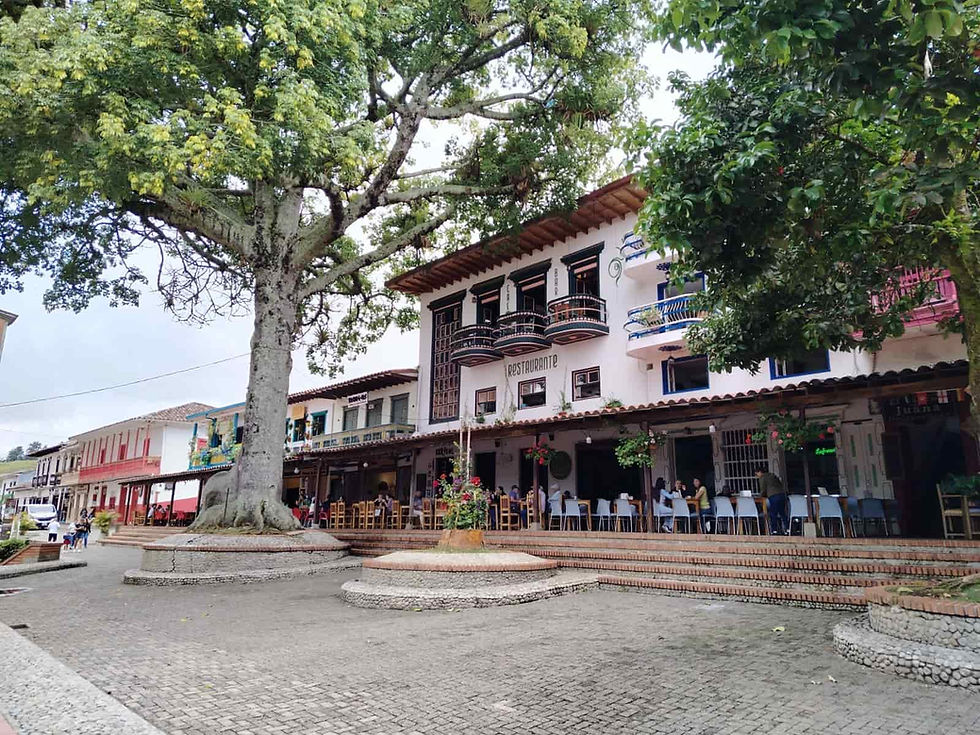
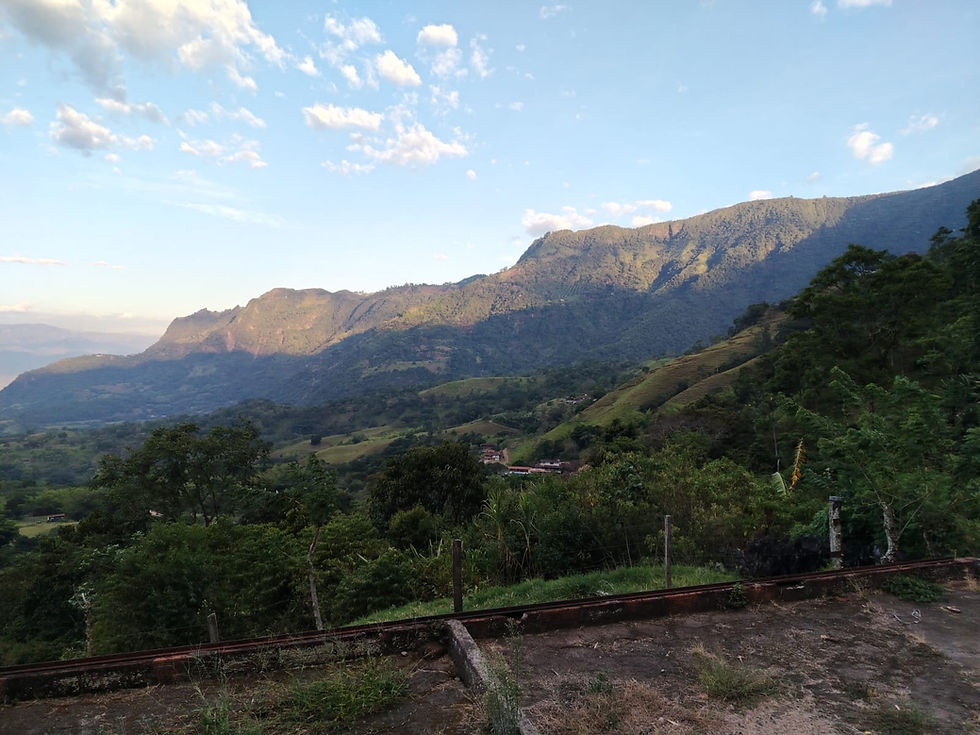
Antioquia, and specifically towns like Jericó and Jardín, have become increasingly popular among buyers searching for Colombian land for sale, coffee farms, and fincas that combine natural beauty with genuine agricultural potential. These towns offer a distinct combination of colonial architecture, mountain scenery, a strong coffee-growing tradition, and a slower pace of life that appeals to buyers looking for something different from a purely urban property market.
Because these regions attract a strong mix of both Colombian and international buyers, currency dynamics play out in a particularly visible way. A favorable exchange rate can bring a wave of renewed interest from abroad, while a stronger peso can shift the buyer pool back toward domestic purchasers. For sellers and marketers working in this space, understanding these patterns helps inform pricing conversations, listing timing, and how a property is presented to different audiences.
For buyers actively looking at coffee farms for sale in Colombia within this region, the practical takeaway is straightforward. Pay attention not only to the property itself, but to where the exchange rate currently stands and where it may be heading. A well-located finca in Jericó that fits your goals is worth serious consideration even if the exchange rate is not at its most favorable point, but understanding the currency backdrop helps you negotiate with confidence and plan your budget realistically.
Practical Steps Buyers Can Take to Navigate Currency Risk
There are several practical habits that can help buyers approach a Colombian property purchase with more confidence, regardless of where exchange rates happen to sit at any given moment.
Buyers benefit from tracking exchange rate trends over a period of weeks or months before making a purchase decision, rather than reacting to a single day's rate in isolation. This broader view helps distinguish between short-term noise and a more meaningful directional shift.
Setting a realistic budget range in your home currency, rather than fixating on a single peso price, allows for more flexibility as rates move. Building in a cushion for currency fluctuation between offer and closing is a simple step that prevents unpleasant surprises.
Working with a currency exchange specialist, rather than converting funds through a standard retail bank, often results in better effective rates on larger transfers. It is worth taking the time to compare a few providers before moving significant funds.
Partnering with local professionals who understand both the real estate side and the practical realities of currency movement in Colombia adds a layer of protection that is difficult to replicate on your own, especially for buyers who are not physically based in the country during the purchasing process.
Finally, staying informed about broader economic conditions in Colombia, including interest rate policy, inflation trends, and global commodity prices that influence the peso, gives buyers useful context for understanding why the exchange rate is behaving the way it is at any given time.
The Marketing and Seller Perspective
For those on the selling side, including brokers, agencies, and marketing teams working with property owners across Antioquia, currency awareness is just as important as it is for buyers. Understanding how exchange rate movement affects the pool of interested foreign buyers helps shape more effective marketing strategies, more realistic pricing conversations with sellers, and better timing for when to actively promote a listing to an international audience.
Outsourced marketing services that specialize in Colombian real estate bring particular value here, since they combine local market knowledge with an understanding of how international buyers think about currency, budgeting, and timing. Specialized teams that focus specifically on farms for sale in Colombia, land listings, and finca marketing are positioned to help sellers reach the right audience at the right moment, adjusting messaging and outreach based on where currency conditions currently stand.
For anyone exploring the hottest properties in Antioquia, working with a team that understands both the property market and the currency dynamics shaping buyer behavior can make a meaningful difference in how quickly and how effectively a property finds the right buyer.
Conclusion
Currency exchange rates are far more than a background detail in a Colombian real estate transaction. They shape affordability, influence competition, affect financing decisions, and play a direct role in how much a buyer ultimately pays for land, a finca, or a coffee farm once everything is converted into their home currency. For buyers exploring Colombian coffee farms for sale, rural land, or investment property in regions like Jericó and Jardín, understanding how the peso moves against major currencies is not a minor consideration. It is a central part of making a confident, well-informed purchasing decision.
The good news is that currency risk, while real, is manageable. Buyers who track trends over time, build reasonable flexibility into their budgets, work with reputable currency exchange providers, and partner with local experts who understand the Colombian property market are far better positioned to navigate this part of the process successfully. Whether the exchange rate happens to be particularly favorable at the moment you are ready to buy, or sitting somewhere closer to average, informed buyers consistently make better decisions than those who ignore currency movement altogether.
If you are ready to explore Colombian land for sale, coffee farms, or fincas in Antioquia, working with a team that understands both the local property market and the currency factors that affect international buyers is one of the smartest steps you can take. Investing in Colombia, and specifically in the coffee region around Jericó, continues to attract attention from buyers around the world, and understanding the currency side of that equation puts you in a stronger position from the very first conversation through closing day.
Frequently Asked Questions
Does a weaker Colombian peso always mean a better deal for foreign buyers? Generally, yes, a weaker peso relative to your home currency means your money converts to more pesos, which can make Colombian property more affordable in your own currency terms. However, property-specific factors, such as location, condition, water access, and title status, still matter enormously and should never be overlooked simply because the exchange rate looks favorable.
Should I wait for the exchange rate to improve before buying property in Colombia? Waiting indefinitely is rarely a good strategy, since exchange rates move in cycles and can shift in either direction without much notice. It often makes more sense to focus on finding the right property and negotiating fairly, while staying aware of currency trends, rather than delaying a purchase entirely in hopes of catching the perfect rate.
How do I move money into Colombia to complete a property purchase? Most buyers use a combination of international wire transfers and specialized currency exchange services rather than relying solely on a standard retail bank, since specialized providers often offer more competitive rates on larger transfers. It is a good idea to compare a few providers and understand any fees before moving significant funds.
Does the exchange rate affect financing options for buying property in Colombia? Yes, currency exchange plays a role in financing as well, particularly for buyers converting funds from abroad to cover a down payment, closing costs, or the full purchase price. Rate movement between the time financing is arranged and the time funds are transferred can affect the total amount needed, which is why building in a reasonable buffer is a wise practice.
Are coffee farms and rural fincas more affected by currency swings than city properties? In many cases, yes, because a larger share of buyers for coffee farms and rural fincas in regions like Antioquia come from abroad compared with some urban property markets. This means demand, competition, and pricing dynamics for coffee farms for sale in Colombia can respond more visibly to currency movement than markets with a more balanced mix of local and international buyers.
What is the best way to protect myself from currency risk during a Colombian real estate purchase? Tracking exchange rate trends over time rather than reacting to a single day, setting a flexible budget range, using a reputable currency exchange service, and working with local real estate professionals who understand both the property market and currency dynamics are all practical steps that help reduce risk throughout the purchasing process.
Is now a good time to invest in Colombia real estate? There is no single answer that applies to every buyer, since the right timing depends on personal goals, budget, and how current exchange rate conditions compare with historical trends. Working with a knowledgeable local team to review current market conditions, available properties, and currency context is the most reliable way to evaluate whether the timing works for your specific situation.
FarmsForSaleInColombia, Colombia, JericoColombia, InvestInColombia, ColombianCoffeeFarmsForSale,
ColombianLandForSale, CoffeeFarmsForSaleColombia, CoffeeFarmForSaleColombia, CoffeeFarmsInColombiaForSale, FincaForSaleColombia, InvestInColombiaRealEstate, BuyingPropertyInColombia
#RealEstate Jerico Antioquia

Comments