


Colombia Real Estate vs Mexico & Costa Rica: Where Should You Invest in 2026?
- Juan Valdez
- Feb 25
- 5 min read

Colombia Real Estate vs Mexico & Costa Rica: Where Should You Invest in 2026?
After more than 30 years working in real estate marketing across Colombia—through boom cycles, corrections, regulatory changes, and shifting foreign demand—I can say this with confidence: 2026 is not about chasing the loudest market, it’s about identifying where real value is still being created.
International buyers looking at Latin America almost always narrow their comparison to three countries: Colombia, Mexico, and Costa Rica. All three offer lifestyle appeal, proximity to North America, natural beauty, and foreign-friendly property ownership. But beyond the surface, they are very different investment environments.
This article is written for serious buyers and investors asking the right question in 2026:Where should I put my capital so it works for me long term, not just looks good on paper? Colombia Real Estate vs Mexico & Costa Rica: Where Should You Invest in 2026?
Understanding the Investment Cycle: Why Timing Matters More Than Hype
Real estate markets move in cycles: early growth, expansion, maturity, and saturation. Knowing where each country sits in that cycle is critical.
Colombia is still in a disciplined growth phase.
Mexico is largely in a mature, highly competitive phase.
Costa Rica sits in a premium, stability-focused phase with slower upside.
In 2026, this distinction matters more than ever.
Colombia: A Market Still Creating Value
Colombia today is not the Colombia of 20 years ago. The real estate sector has professionalized significantly, foreign ownership rules are clear, and international confidence has steadily increased. Yet prices—especially outside the largest cities—have not fully caught up with fundamentals.
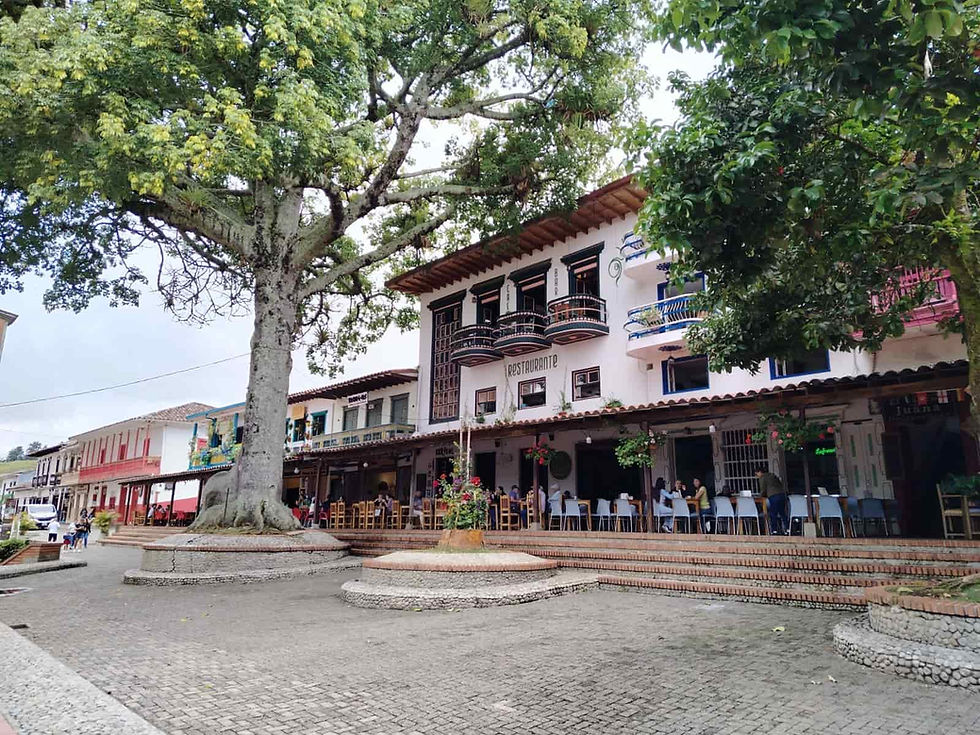
In regions like Jericó and broader Antioquia, demand is driven by real factors: lifestyle migration, agricultural productivity, cultural tourism, and limited land supply. This is why terms such as #InvestInColombia, #InvestInColombiaRealEstate, and #BuyingPropertyInColombia resonate strongly with informed buyers.
Unlike speculative markets, Colombia’s appreciation has been gradual and organic, which is exactly what long-term investors want.
Mexico: Size, Liquidity, and Intense Competition
Mexico offers scale. It has massive urban centers, strong tourism corridors, and decades of foreign participation. That maturity brings liquidity—but also higher entry prices and thinner margins.
In 2026, many Mexican markets already reflect future expectations in today’s prices. This doesn’t mean Mexico is a bad choice, but it does mean buyers must be more precise and realistic about returns, costs, and competition.
Costa Rica: Stability at a Premium Price
Costa Rica has built an international reputation as a safe, environmentally conscious, and politically stable country. That reputation is deserved—but it comes at a cost.
Property prices are high, inventory is limited, and much of the upside has already been priced in. Costa Rica works well for buyers prioritizing preservation of capital and lifestyle, but less so for those seeking meaningful growth.
Price Entry Comparison in 2026
Colombia
Colombia continues to offer accessible entry points across urban, semi-rural, and rural markets. This is particularly true for land, fincas, and agricultural properties aligned with #FarmsForSaleInColombia, #ColombianLandForSale, and #FincaForSaleColombia.
Coffee-region assets, including #ColombianCoffeeFarmsForSale and #CoffeeFarmsForSaleColombia, stand out because they combine lifestyle, production, and long-term scarcity.
Mexico
Mexico’s best-known markets command international-level pricing. Entry costs are significantly higher, and competition for quality properties is intense.
Costa Rica
Costa Rica has one of the highest average price-per-square-meter levels in Latin America, especially in areas popular with foreigners.
Land Scarcity: The Silent Driver of Appreciation
Colombia
In Antioquia and towns like Jericó, land scarcity is structural. Topography, environmental protections, and agricultural heritage limit overdevelopment. This creates a natural floor under values and supports long-term appreciation.
Mexico
Scarcity exists mainly in prime coastal or historic areas. Elsewhere, land supply is less constrained.
Costa Rica
Scarcity is largely regulatory. Development restrictions protect nature but also increase costs and limit flexibility.
Agricultural and Rural Value: A Key Differentiator
One of Colombia’s greatest strengths is that land still works. Rural properties are not just scenic—they produce. Coffee, mixed agriculture, and usable land give Colombian real estate intrinsic economic value.
This underpins demand for #CoffeeFarmForSaleColombia, #CoffeeFarmsInColombiaForSale, and rural investment aligned with #FarmsForSaleInColombia.
In contrast:
Mexico’s rural properties are often lifestyle-focused.
Costa Rica emphasizes conservation and eco-use over production.
Legal Framework for Foreign Buyers
Colombia
Foreigners can buy property with the same ownership rights as locals. No residency is required to purchase. With proper due diligence, the process is transparent and secure.
Mexico
Foreign buyers can purchase, but coastal and border zones require bank trusts. These structures work, but add layers of complexity and cost.
Costa Rica
Ownership is straightforward, though transaction and holding costs tend to be higher.
Taxes, Holding Costs, and Long-Term Efficiency
Colombia
Property taxes are relatively low. This allows investors to hold assets long term without pressure to sell prematurely.
Mexico
Costs vary widely. Tourist-heavy areas often come with higher taxes and maintenance expenses.
Costa Rica
Holding costs are higher overall, reflecting the country’s premium positioning.
Tourism and Lifestyle Demand
Colombia
Tourism growth has been steady and diversified. Smaller towns, cultural destinations, and nature-based travel support year-round demand without extreme saturation.
Mexico
Tourism is massive but concentrated. Some markets face oversupply and volatility.
Costa Rica
Tourism is stable and well-managed, but competition among property owners is strong.
Appreciation Trends and Forward Outlook
Colombia
Historical appreciation has been consistent rather than explosive. This stability, combined with still-reasonable pricing, supports strong future outlooks—especially in regions like Antioquia.
Mexico
Appreciation depends heavily on micro-location. Some areas may see limited upside from current levels.
Costa Rica
Appreciation is modest but steady, reflecting a market focused on stability over growth.
Risk vs Opportunity in 2026
Colombia: Moderate risk, high upside potential
Mexico: Moderate to high risk depending on location
Costa Rica: Lower risk, limited upside
Smart investors understand that measured risk in an emerging-but-stable market often outperforms safety at peak pricing.
Infrastructure and Development Trajectories
Colombia continues to improve infrastructure in a balanced way, avoiding overbuilding. Mexico already has strong infrastructure in core markets, while Costa Rica focuses on sustainability rather than expansion.
Who Should Invest Where?
Colombia is ideal if you:
Want value still forming, not fully priced in
Are interested in land, fincas, and productive property
See long-term potential in #JericoColombia and Antioquia
Align with #InvestInColombiaRealEstate
Mexico is better if you:
Prefer large, liquid markets
Are comfortable with high competition
Focus on short- to mid-term strategies
Costa Rica fits if you:
Prioritize lifestyle and stability
Accept higher prices for predictability
Focus on capital preservation
Our Perspective from Antioquia
Working daily with international buyers, we see a clear shift: people are no longer chasing headlines. They are looking for markets with fundamentals, scarcity, and authenticity.
That is why Antioquia—and towns like Jericó—continue to attract discerning investors who understand long-term value creation.
We combine local expertise, modern marketing, and specialized teams to help buyers make informed, strategic decisions in a market that still rewards patience and insight.
Conclusion: The Best Investment Is the One That Still Has Room to Grow
There is no universally “best” country. There is only the country that best matches your goals, timeline, and risk tolerance.
In 2026:
Mexico offers maturity and liquidity.
Costa Rica offers stability and lifestyle.
Colombia offers opportunity, value, and growth still in progress.
For investors seeking assets aligned with #Colombia, #FarmsForSaleInColombia, #ColombianLandForSale, and #BuyingPropertyInColombia, Colombia stands out as one of the most compelling real estate stories in Latin America today.
Frequently Asked Questions (FAQs)
Is Colombia safe for foreign real estate investors?
Yes, when proper due diligence is followed. Ownership rights are clear and well established.
Which country offers the lowest entry prices in 2026?
Colombia, especially outside major cities.
Where is land investment most attractive?
Colombia, due to productivity, scarcity, and cultural value.
Is Costa Rica overpriced?
Not overpriced for its stability—but much of its future growth is already
reflected in prices.
Why are more investors choosing Colombia now?
Because it combines lifestyle, legal clarity, and growth potential in a way few markets still do.
In real estate, the smartest investments are rarely the most obvious ones. In 2026, Colombia remains a place where informed buyers can still get ahead of the curve.


Comments