


Buying property in Colombia
- Juan Valdez
- Aug 18
- 9 min read
Updated: Aug 18
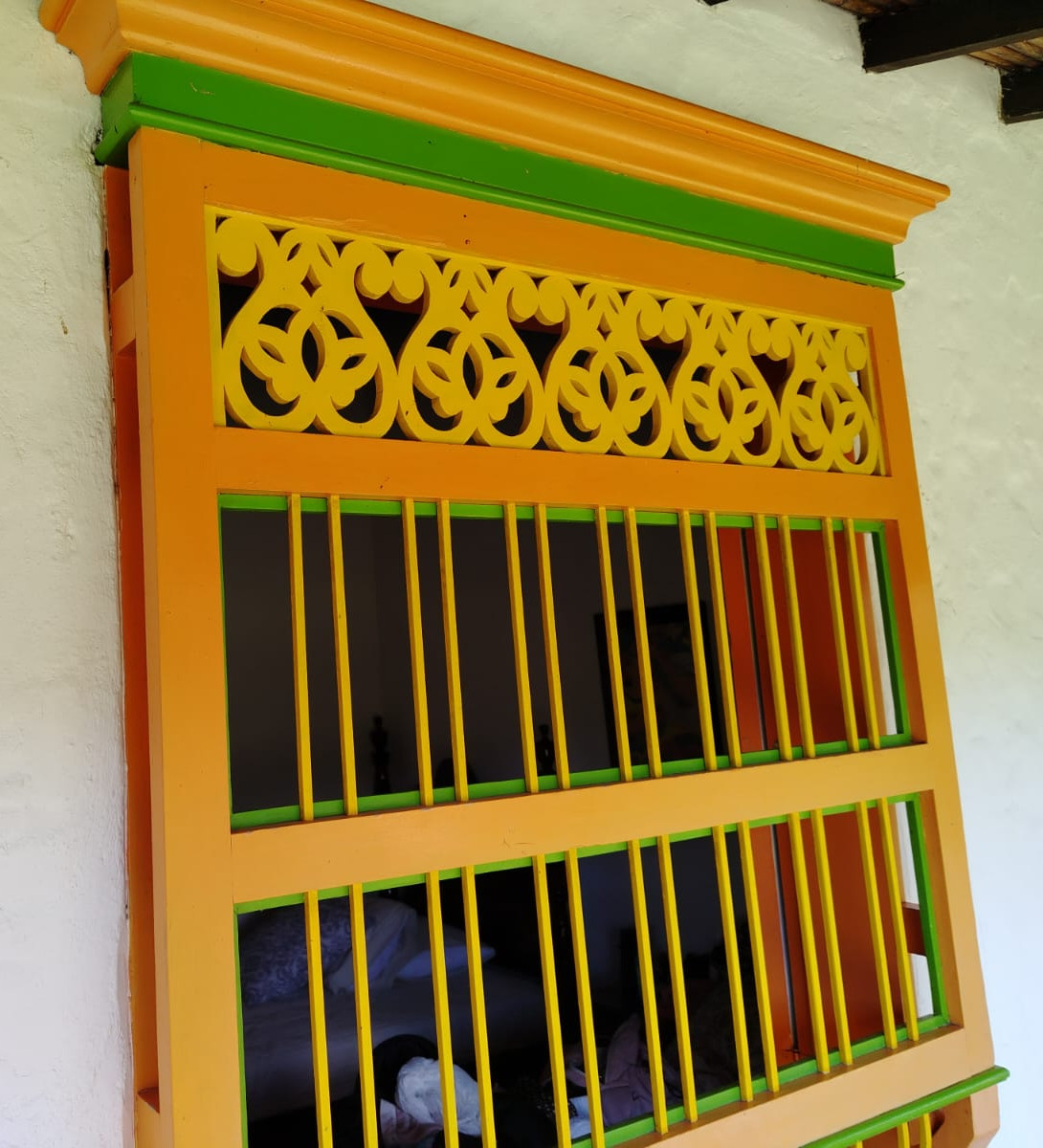
Buying property in Colombia
As a Colombian marketing expert with years of experience accompanying international buyers and local enterprises through the real estate process, I can say with confidence that purchasing property in this country remains one of the more straightforward and open experiences available in Latin America. Foreigners enjoy the same ownership rights as Colombian citizens for the vast majority of residential, rural, and agricultural assets.
There are no nationality-based restrictions that prevent an individual from abroad from acquiring a home, a parcel of land, or a productive farm. This legal equality, combined with improving digital tools, experienced regional professionals, and a growing inventory of distinctive properties, has made Colombia increasingly attractive for those seeking lifestyle, agricultural, or long-term holdings. Regions such as Jericó in Antioquia stand out for their scenic beauty, coffee heritage, and sense of place. At Jericó Colombia Real Estate we focus on the hottest properties in Jericó and across Antioquia, offering new perspectives, expert skills, and specialized teams that help businesses achieve greater returns through outsourced marketing services. Our website is https://www.jericocolombiarealestate.com/. Buying property in Colombia
Understanding Your Rights as a Foreign Buyer
The starting point for any foreign purchaser is clarity about legal standing. Colombian law grants foreigners full civil rights regarding private property. You may buy, hold, sell, inherit, and lease real estate under the same conditions that apply to nationals. No special government permission, foreign-ministry approval, or residency visa is required simply to own property. A valid passport and a Colombian tax identification number (RUT) are the principal documents needed to complete a transaction. The RUT can often be obtained remotely through the DIAN portal, making the early administrative steps accessible even before you set foot in the country.
This openness extends to different property types. Urban homes, apartments, rural land, and working agricultural properties, including coffee farms, are all available to international buyers. Certain limited exceptions exist near international borders or involving specific categories of state-origin land, yet these rarely affect ordinary residential or commercial agricultural purchases in interior departments such as Antioquia. The result is a market in which serious foreign interest is welcomed and the legal path is well established.
Defining What You Want and Where to Look
Before examining listings or contacting agents, take time to clarify objectives. Are you seeking a primary or secondary residence in a heritage town, a productive coffee farm that can generate agricultural income, a mixed-use rural property with tourism potential, or simply land for future development? Budget, preferred size, elevation, access to services, and intended use all shape the search. In Antioquia, towns such as Jericó offer a combination of colonial architecture, surrounding green hills, established coffee culture, and a pace of life that appeals to many international buyers. The wider department contains both more developed municipalities and quieter rural zones, giving buyers a range of options.
Specialized local teams with deep knowledge of specific municipalities can filter opportunities efficiently. Because there is no single national multiple-listing system comparable to those in some other countries, working with professionals who maintain current inventories and relationships becomes especially valuable. Digital platforms and professional photography now make it possible to review a wide selection of properties from abroad before deciding which ones merit closer inspection.
The Step-by-Step Purchase Process
Once a property of interest is identified, the process follows a clear sequence that has been refined over years of foreign transactions.
First comes due diligence. The central legal document is the Certificado de Tradición y Libertad, which can be obtained online from the Superintendencia de Notariado y Registro using the property’s matrícula inmobiliaria number. This certificate reveals the full ownership history, any mortgages, liens, annotations, or restrictions. A qualified Colombian attorney should review it carefully. Additional checks typically include recent property-tax receipts, utility payment status, cadastral information confirming boundaries and land-use classification, and, for rural or agricultural assets, verification of water rights and any environmental or agricultural certifications. For coffee farms or larger parcels it is also wise to confirm access routes, topography, and the condition of any existing infrastructure.
If the title and supporting documents are clean, the parties usually sign a promesa de compraventa, or promise of sale. This preliminary agreement sets out the price, payment schedule, deposit amount (commonly between 10 and 30 percent), closing timeline, and conditions related to satisfactory due diligence. The deposit is typically held in a secure account or fiduciary arrangement. The promesa creates binding obligations while allowing time for final verifications and fund arrangements.
Next, the buyer prepares the remaining funds. When money originates abroad it must enter Colombia through formal banking channels and be registered as a foreign investment with the Banco de la República. This registration is essential; without it, future repatriation of capital or gains can become complicated or blocked. A local bank or intermediary handles the currency exchange and the corresponding declaration. Opening a Colombian bank account is not strictly mandatory but simplifies subsequent payments of taxes, utilities, and other local obligations.
The final transfer of ownership occurs before a notary public through the escritura pública, the public deed. Both parties (or their duly authorized representatives) sign the deed, the balance of the purchase price is paid, and the notary records the transaction. Shortly afterward the deed is presented for registration at the Oficina de Registro de Instrumentos Públicos. Once registration is complete, the buyer becomes the legal owner of record. The entire sequence from accepted offer to registered ownership commonly takes four to eight weeks when documentation is in order and funds move efficiently.
Remote Completion of the Transaction
Many foreign buyers complete the entire purchase without traveling to Colombia for the closing. A special power of attorney (poder especial) can be granted to a trusted attorney or representative. The power of attorney itself can be signed and notarized at a Colombian consulate abroad or formalized through apostille procedures. With this authorization the representative can sign the promesa and the escritura on the buyer’s behalf. Combined with remote inspection methods—360-degree virtual tours, live video walkthroughs, drone footage, and on-site verification reports prepared by local professionals—the process becomes fully workable from a distance. Specialized teams coordinate the digital materials, physical checks, document collection, and legal steps so that the remote buyer remains fully informed at every stage.
Costs Associated with Buying
Buyer-side closing costs in Colombia are generally transparent and moderate by international standards. They typically include a share of notary fees, the registration tax (impuesto de registro), and departmental stamp or beneficencia charges. Combined costs for the buyer often fall in the range of roughly 2 to 4 percent of the purchase price, depending on the department and the exact allocation negotiated with the seller. There is no broad value-added tax on the purchase of used residential property. Agent commissions are customarily paid by the seller. Legal fees for due diligence and closing coordination vary with the complexity of the transaction but remain reasonable when handled by experienced professionals.
Ongoing ownership costs are likewise comparatively contained. The annual impuesto predial is calculated on the cadastral value, which is usually lower than market value, and municipal rates commonly range between approximately 0.4 and 1.6 percent. Early-payment discounts of 10 to 15 percent are frequently available if the tax is settled in January. Utility costs, caretaker expenses when needed, and basic insurance further complete the picture of yearly outlays.
Tax Considerations at a Glance
Foreign owners are subject to the same core tax rules that apply to Colombian citizens. The annual predial has already been mentioned. When the property is eventually sold, gains on assets held for two years or more are generally treated as ganancia ocasional and taxed at a flat 15 percent rate after inflation adjustment of the original cost base. Gains on assets held for a shorter period are taxed as ordinary income at higher rates.
Proper registration of the original investment protects the ability to repatriate both capital and profits. Rental income, if generated, is taxed according to the owner’s residency status—progressive rates for residents after allowable deductions, and a flat rate for non-residents on Colombian-source income. A wealth tax may apply only above a high net-worth threshold. Consulting a qualified Colombian tax advisor early in the process ensures that these elements are handled correctly.
Special Attention for Rural Properties and Coffee Farms
Properties outside urban centers require additional focus during due diligence. Access roads may be unpaved and their condition can change with weather. Water sources—springs, wells, or municipal connections—must be verified for reliability and legal rights. Soil quality, elevation, and micro-climate affect agricultural potential.
Boundary markers and neighboring land uses influence privacy and long-term plans. For coffee farms it is useful to review plant ages, recent production if available, processing facilities, and any certifications. Drone imagery and an on-site inspection by someone familiar with agricultural properties provide complementary information that pure digital materials cannot fully supply. In municipalities such as Jericó these rural and agricultural assets form an important part of the market and attract buyers seeking both lifestyle and productive land.
Building a Reliable Local Team
Success in a foreign purchase depends heavily on the quality of local support. An experienced real-estate professional who knows the specific municipality, a competent attorney familiar with foreign-buyer transactions, and, when needed, a tax advisor and a notary who work regularly with international clients form the core team. Clear communication, timely delivery of documents and digital inspection materials, and transparent handling of funds and registrations are the hallmarks of reliable partners. Specialized teams that combine market knowledge with coordinated marketing and transaction services can streamline the process and reduce the friction that sometimes accompanies cross-border purchases.
Practical Recommendations for a Smooth Experience
Begin with a clear definition of goals and budget. Work with professionals who provide comprehensive digital packages and are willing to arrange live video sessions and independent physical verifications. Insist on a thorough title review before signing any binding agreement. Register every inbound transfer of purchase funds correctly.
Keep organized records of the acquisition cost, improvements, and all tax payments. If completing the transaction remotely, ensure the power of attorney is properly executed and limited to the necessary acts. Finally, maintain realistic timelines and remain patient with the administrative steps that protect both parties.
Colombia’s combination of open ownership rules, moderate transaction costs, improving remote tools, and distinctive regional offerings creates a practical environment for foreign buyers. Whether the objective is a residence in a heritage town, a coffee farm, or a rural parcel with long-term potential, the path is well marked for those who proceed with careful due diligence and professional local support.
Conclusion
Buying property in Colombia is an accessible and structured process for foreign purchasers. Equal ownership rights, a clear sequence of due diligence, promise of sale, fund registration, notarial deed, and public registration, together with the possibility of completing the transaction remotely, make the country welcoming to international interest.
Moderate closing costs, manageable annual property taxes, and a favorable long-term capital-gains regime further support the decision. Regions such as Jericó in Antioquia continue to offer distinctive opportunities that combine natural beauty, cultural character, and productive land. Working with specialized teams that bring expert skills, new perspectives, and coordinated services helps ensure the process remains transparent and efficient.
For those ready to explore the hottest properties in Jericó and across Antioquia, resources and professional support are available at https://www.jericocolombiarealestate.com/. With proper preparation and the right local partners, acquiring property in Colombia can be a confident and rewarding step.
FAQs
Can foreigners buy property in Colombia without residency?
Yes. Foreigners have the same property ownership rights as Colombian citizens. No residency visa or special permit is required simply to purchase and own real estate.
What is the first document I should review when interested in a property?
The Certificado de Tradición y Libertad, which shows the complete ownership history, any liens, mortgages, or restrictions. It can be obtained online using the property’s matrícula inmobiliaria number.
Is it possible to complete the entire purchase remotely?
Yes. A special power of attorney allows a trusted local representative to sign the promise of sale and the public deed. Combined with remote inspection tools and formal fund registration, the transaction can close without the buyer traveling to Colombia.
How long does a typical purchase take from accepted offer to registered ownership?
When documentation is in order and funds move efficiently, the process commonly takes four to eight weeks.
What are typical buyer closing costs?
Buyer-side costs often range from roughly 2 to 4 percent of the purchase price and include shares of notary fees, registration tax, and departmental charges, depending on the location and negotiated allocation.
Must foreign purchase funds be registered?
Yes. Money transferred from abroad should be registered as a foreign investment with the Banco de la República. This registration protects the later ability to repatriate capital and gains.
What tax identification is required?
A RUT issued by the DIAN is needed for the transaction and subsequent compliance. In many cases it can be obtained remotely.
Are there special considerations when buying a coffee farm or rural land?
Yes. Verify water rights, access roads, plant condition if applicable, boundaries, and any agricultural or environmental restrictions. Drone footage and an on-site inspection by a knowledgeable local professional are particularly useful.
Do foreign owners pay different property taxes from Colombian citizens?
No. The same impuesto predial rates and capital-gains rules apply regardless of nationality.
Where can I find support for buying property in Jericó and Antioquia?
Specialized real-estate teams focused on the region can assist with property selection, due diligence coordination, remote inspection arrangements, and transaction support. Information and listings are available at https://www.jericocolombiarealestate.com/.
#FarmsForSaleInColombia #Colombia #JericoColombia #InvestInColombia #ColombianCoffeeFarmsForSale #ColombianLandForSale #ColombianCoffeeFarmsForSale #CoffeeFarmsForSaleColombia #CoffeeFarmForSaleColombia #CoffeeFarmsInColombiaForSale #FincaForSaleColombia #InvestInColombiaRealEstate #BuyingPropertyInColombia #HomesForSaleInJericóColombia
#RealEstate Jerico Antioquia


Comments